Ysgol Mynydd Bychan
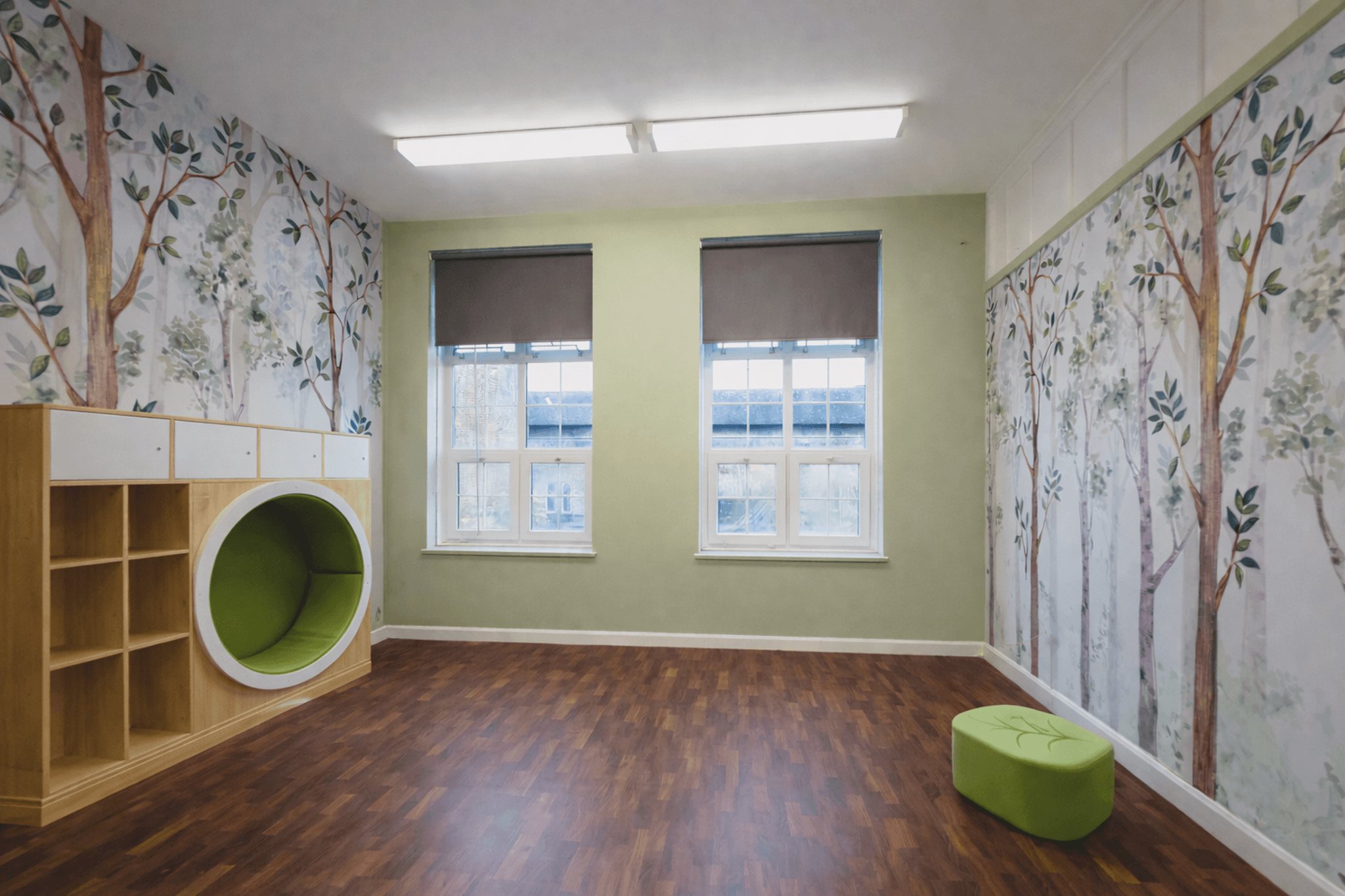
We were appointed by to deliver a refurbishment programme to convert the existing school building into a new 1FE St Monica’s CIW Primary School with nursery provision. The scope combined internal reconfiguration, finishes renewal, welfare upgrades, and accessibility and external improvements, delivered with a strong emphasis on safety management and clear segregation within an operational school setting.
Location
Cardiff
Value
418k
Year
2025
The works commenced with a structured strip-out and enabling phase to prepare the building for the new layout and upgraded services. This included removing existing flooring, ceilings in identified areas, skirtings to retained walls, redundant M&E, internal doors, WC cubicles and sanitaryware, and selected non-loadbearing partitions and storage elements. Openings were formed to improve circulation and connectivity between spaces, including internal openings and a newly formed external opening, allowing the revised school layout to function more effectively.
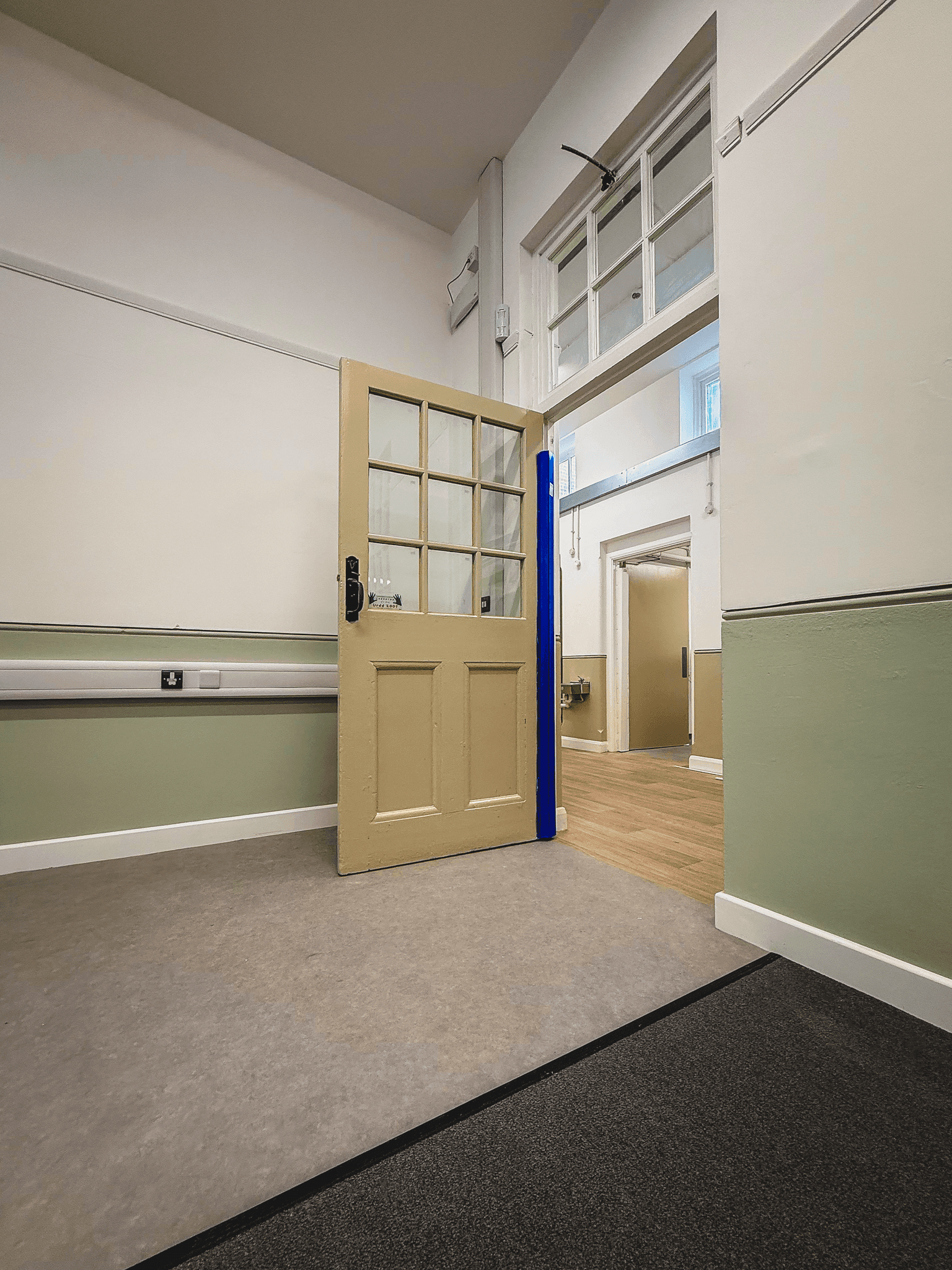
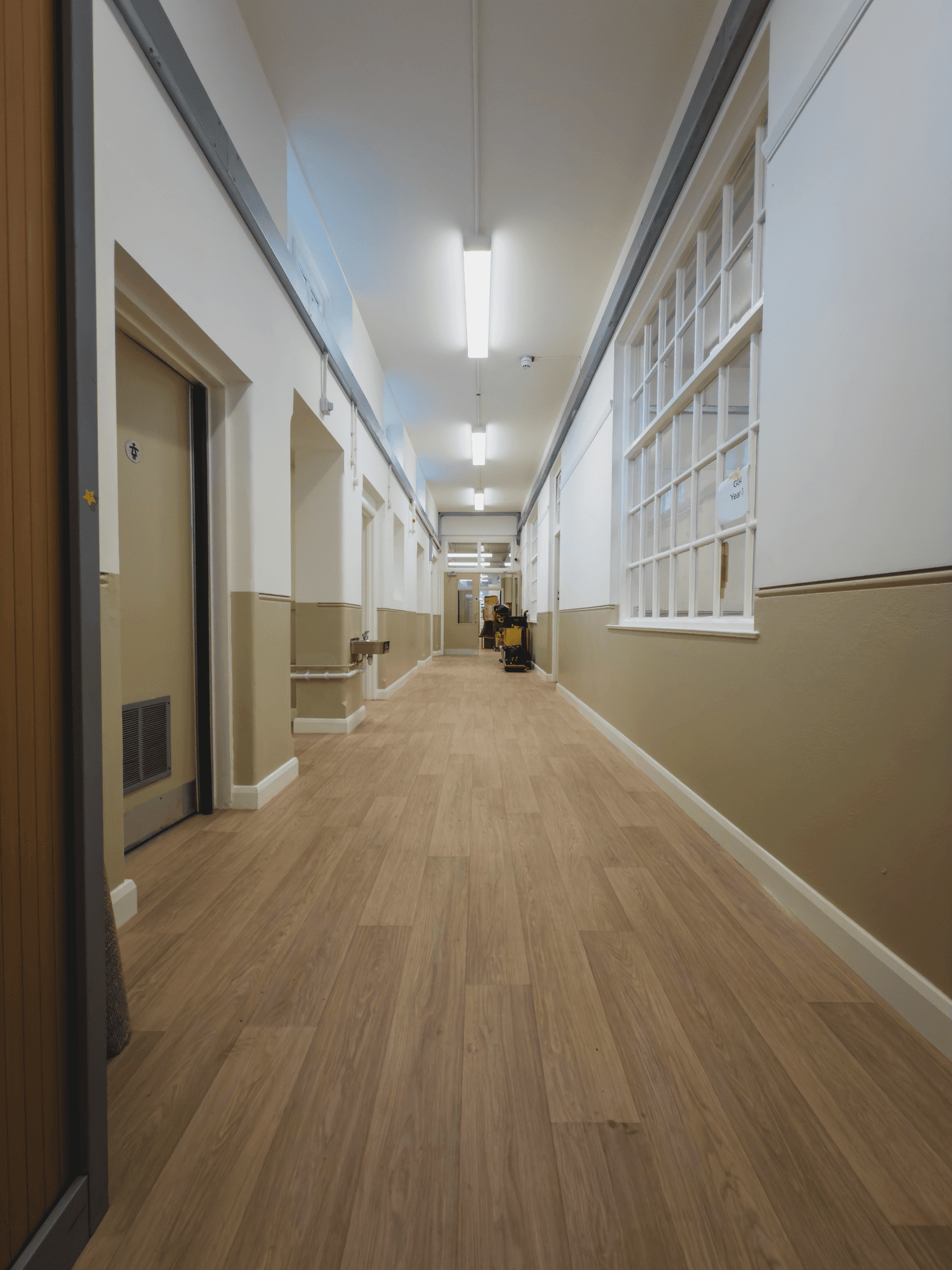
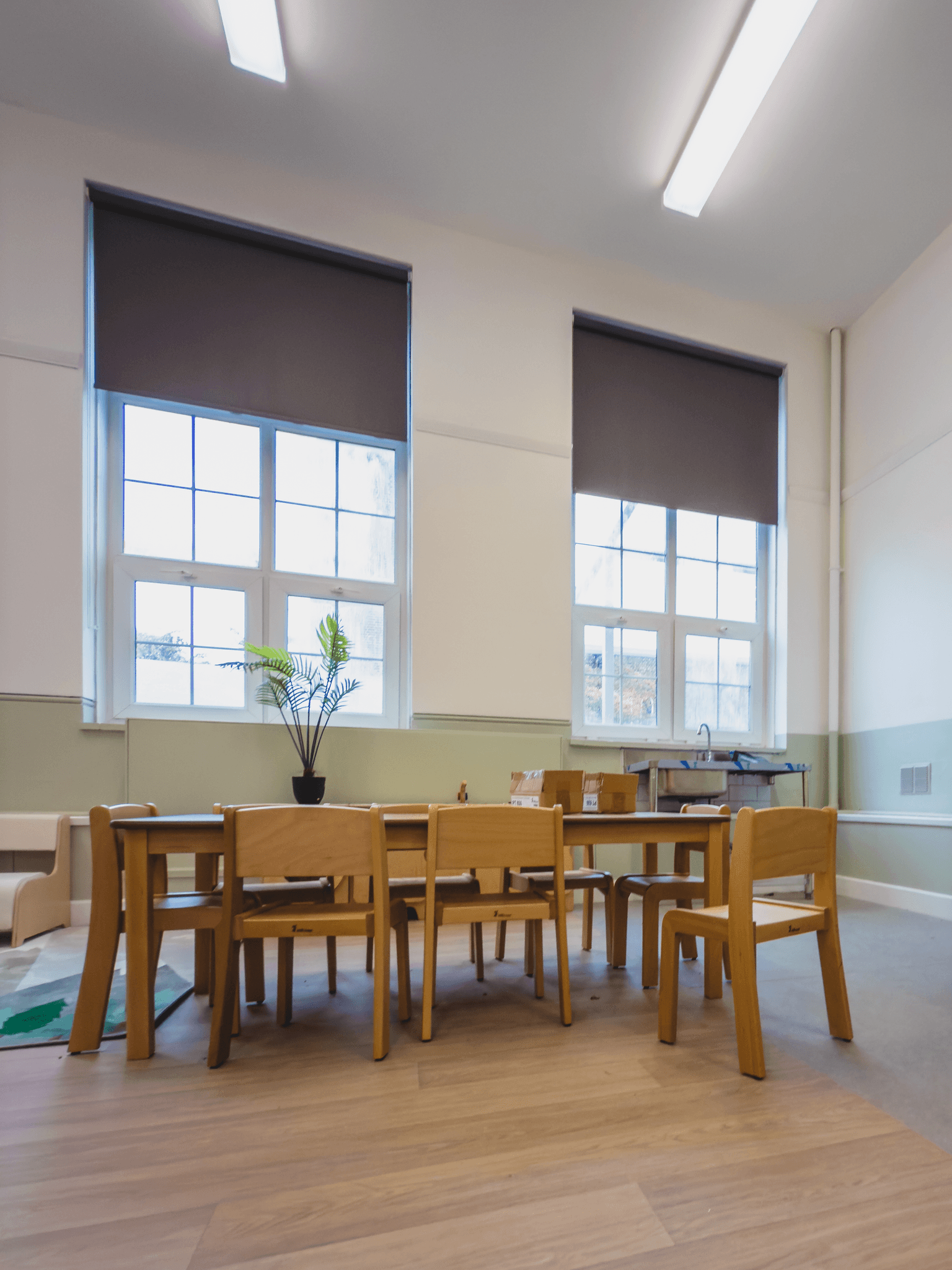
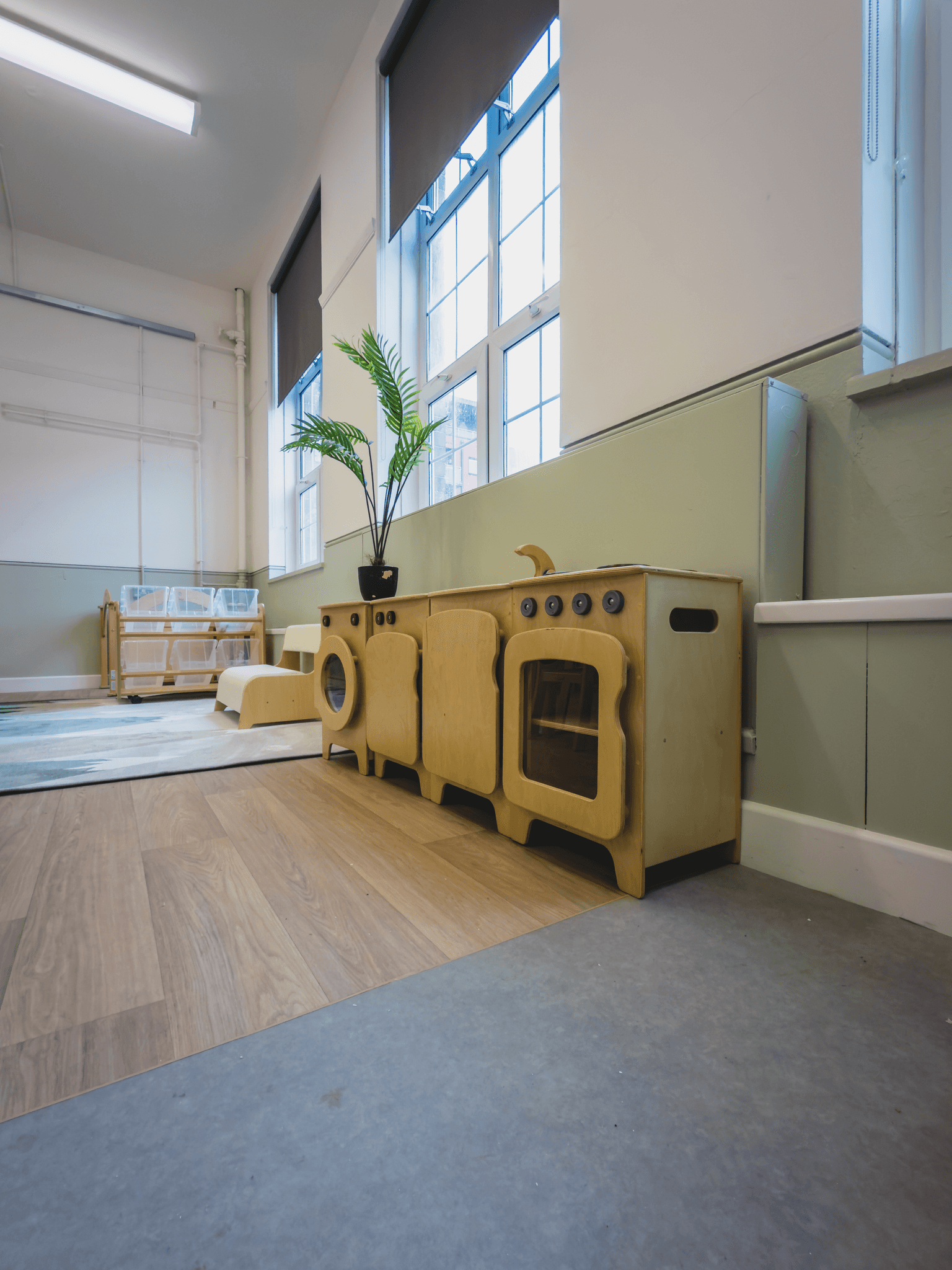
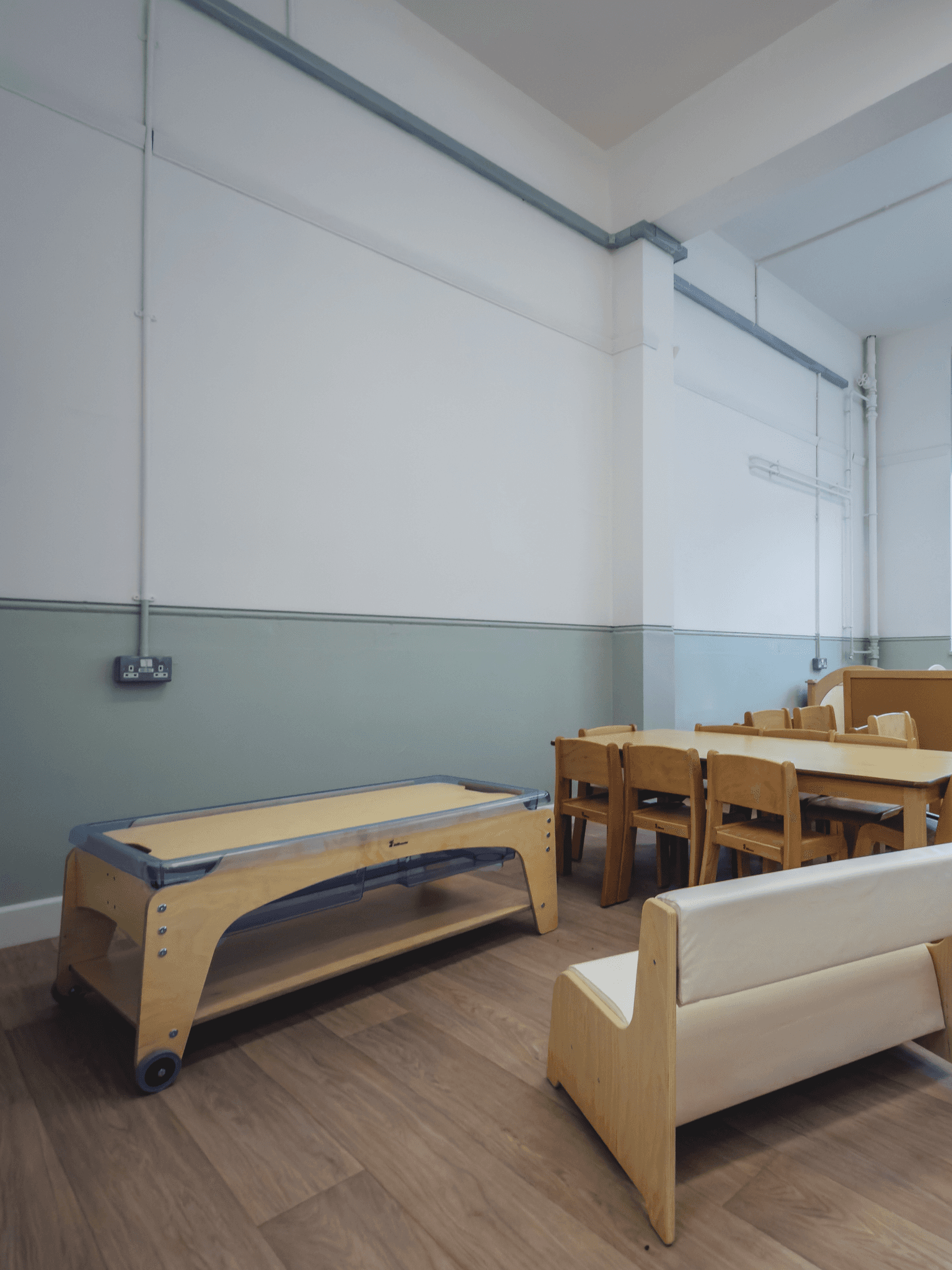
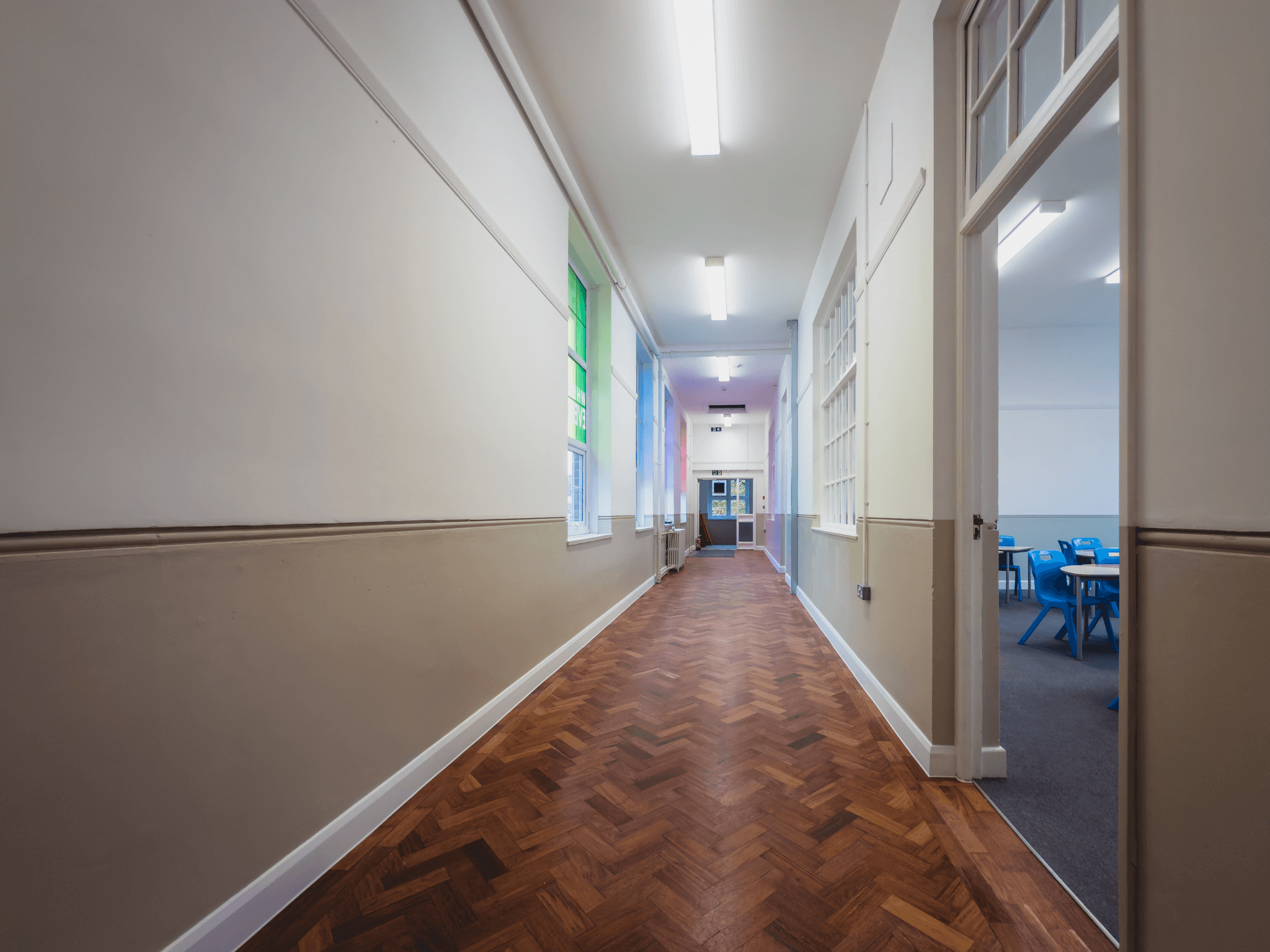
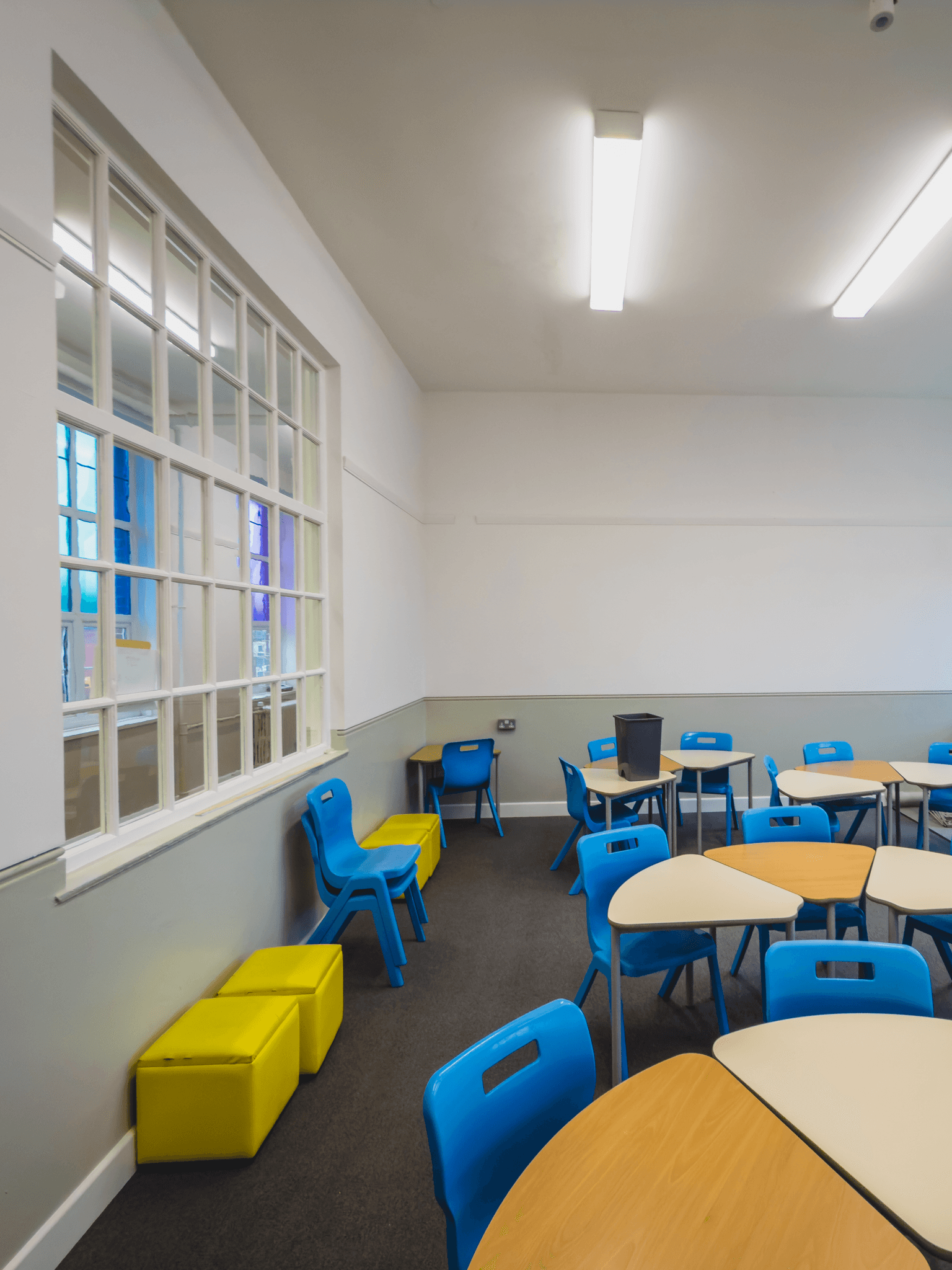
Internal works then progressed into a coordinated refurbishment package focused on improving durability, presentation, and functionality across teaching, circulation, and support spaces. New flooring finishes were installed across the scheme—combining carpet tiles, safety vinyl, and specialist entrance matting—alongside local restoration of retained timber flooring where specified. Walls and timberwork were redecorated with a scrubbable paint system to support longevity in a school environment, with targeted wall build-ups introduced in WC areas to reinstate sound substrates ahead of new hygienic wall finishes.
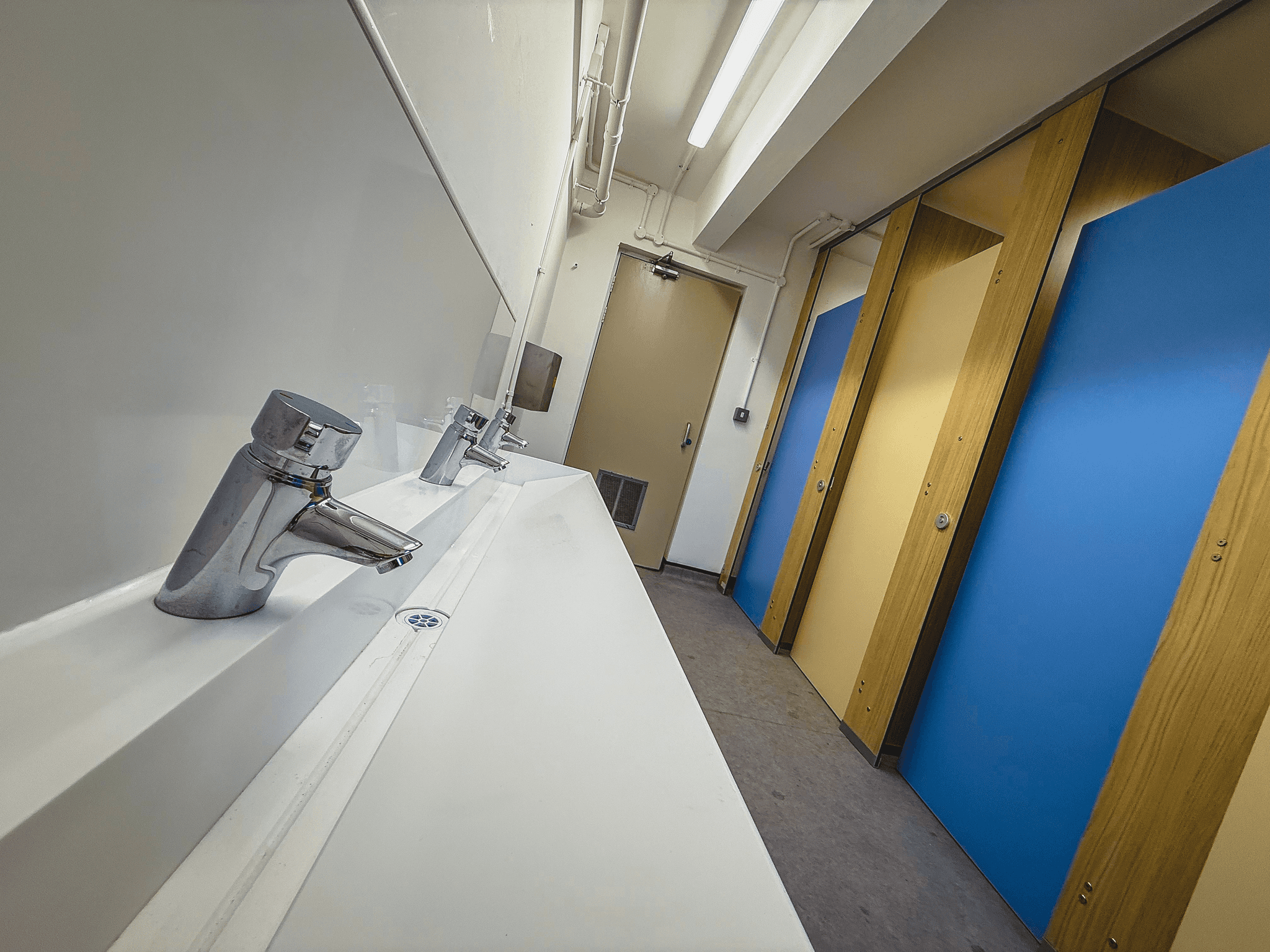
A key element of the project was the upgrade of WC and hygiene facilities. New cubicle systems, duct panels, and solid-surface washtroughs were installed across multiple washroom areas, supported by associated fittings and hardware. Wet areas were completed with appropriate wall finishes, improving cleanability and resilience, and a height-adjustable changing bed was incorporated to strengthen inclusivity and welfare provision.
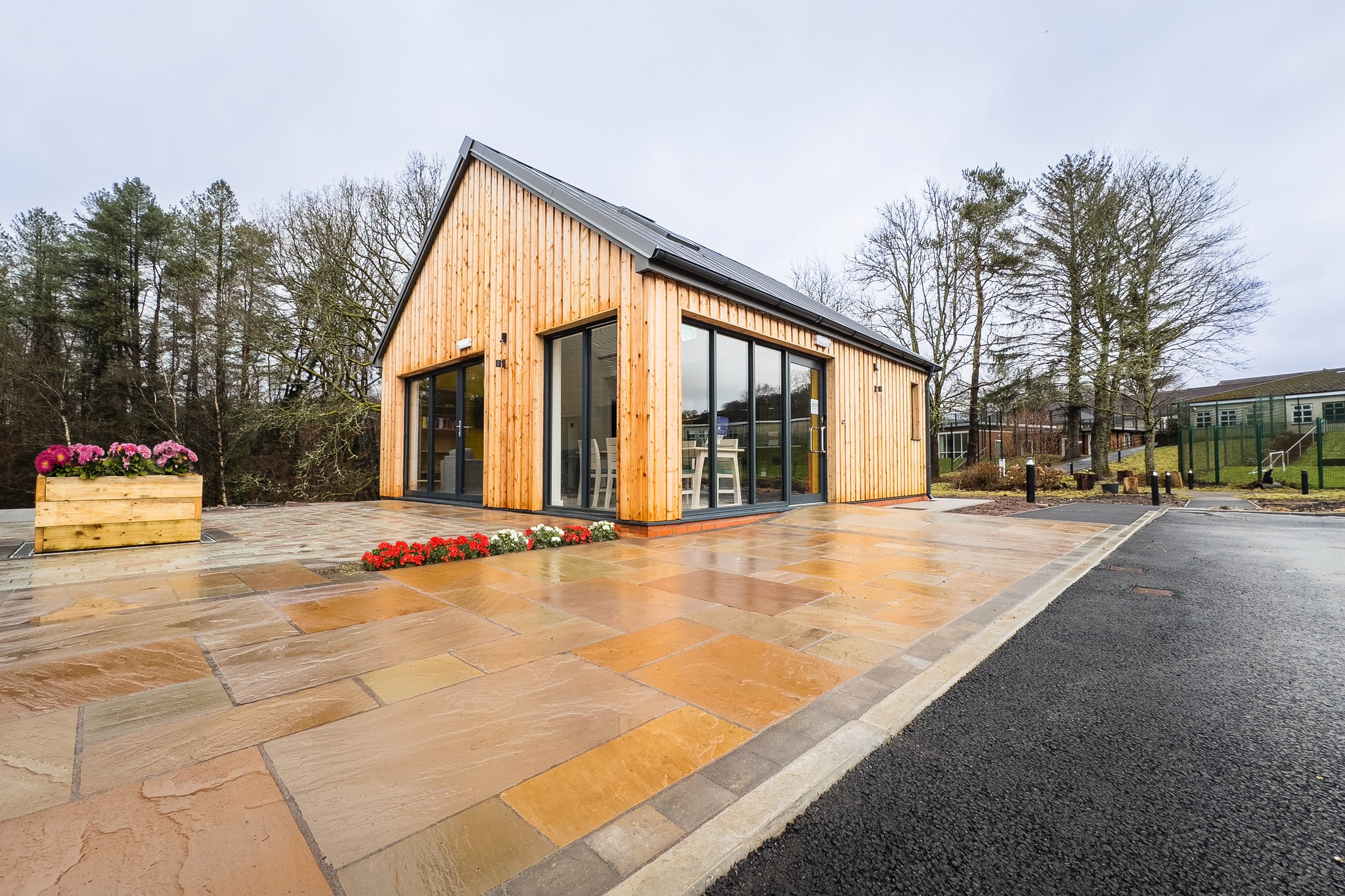
External and accessibility improvements were delivered alongside the internal refurbishment to strengthen arrival and movement routes. This included the manufacture and installation of a rear canopy with translucent roofing and powder-coated steelwork, a new access ramp and associated handrails/railings, upgraded stairwell balustrades, and enabling works such as adjustments to the cycle store arrangement. These interventions improved usability and safe access while maintaining a coordinated architectural finish
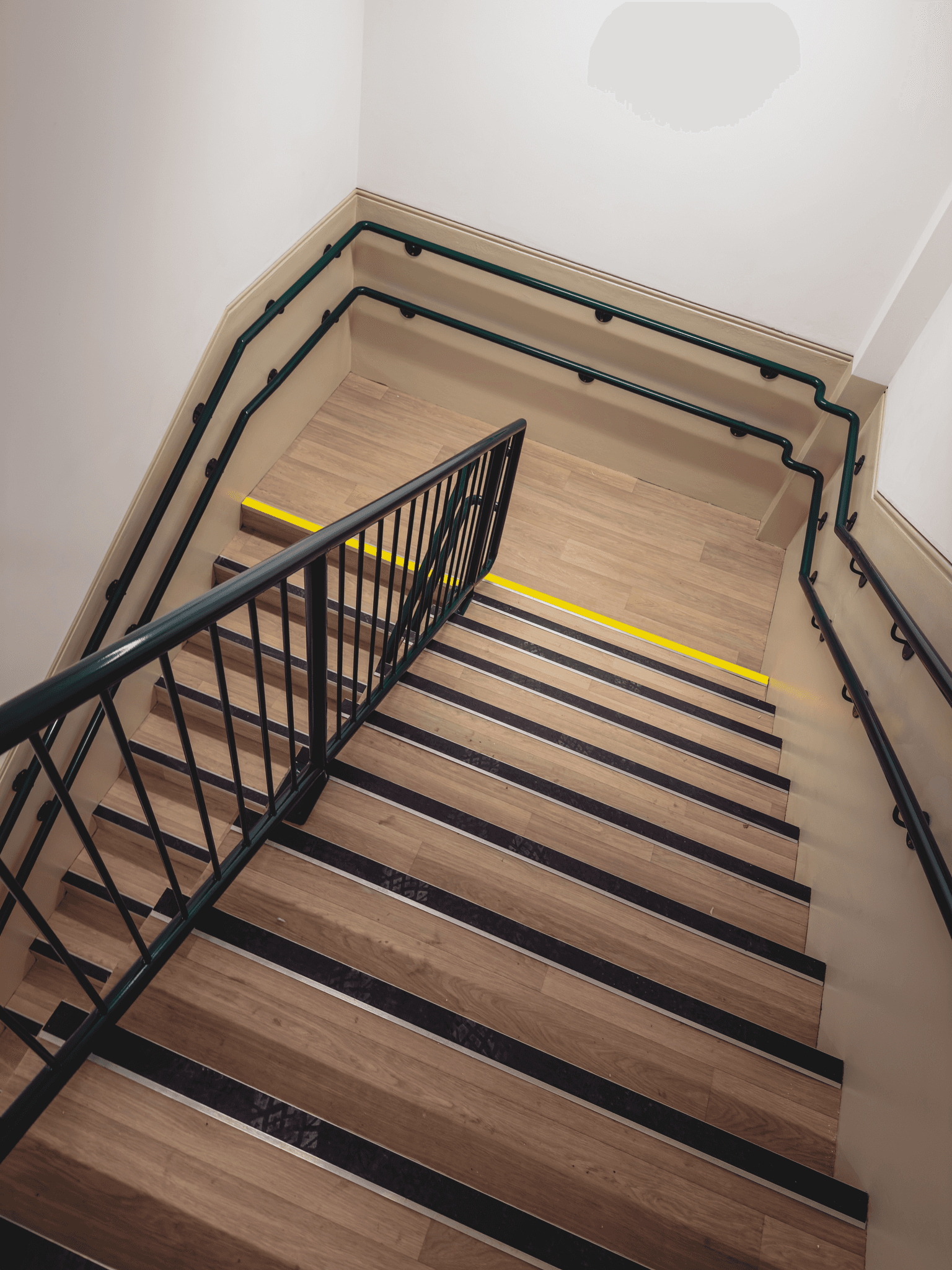
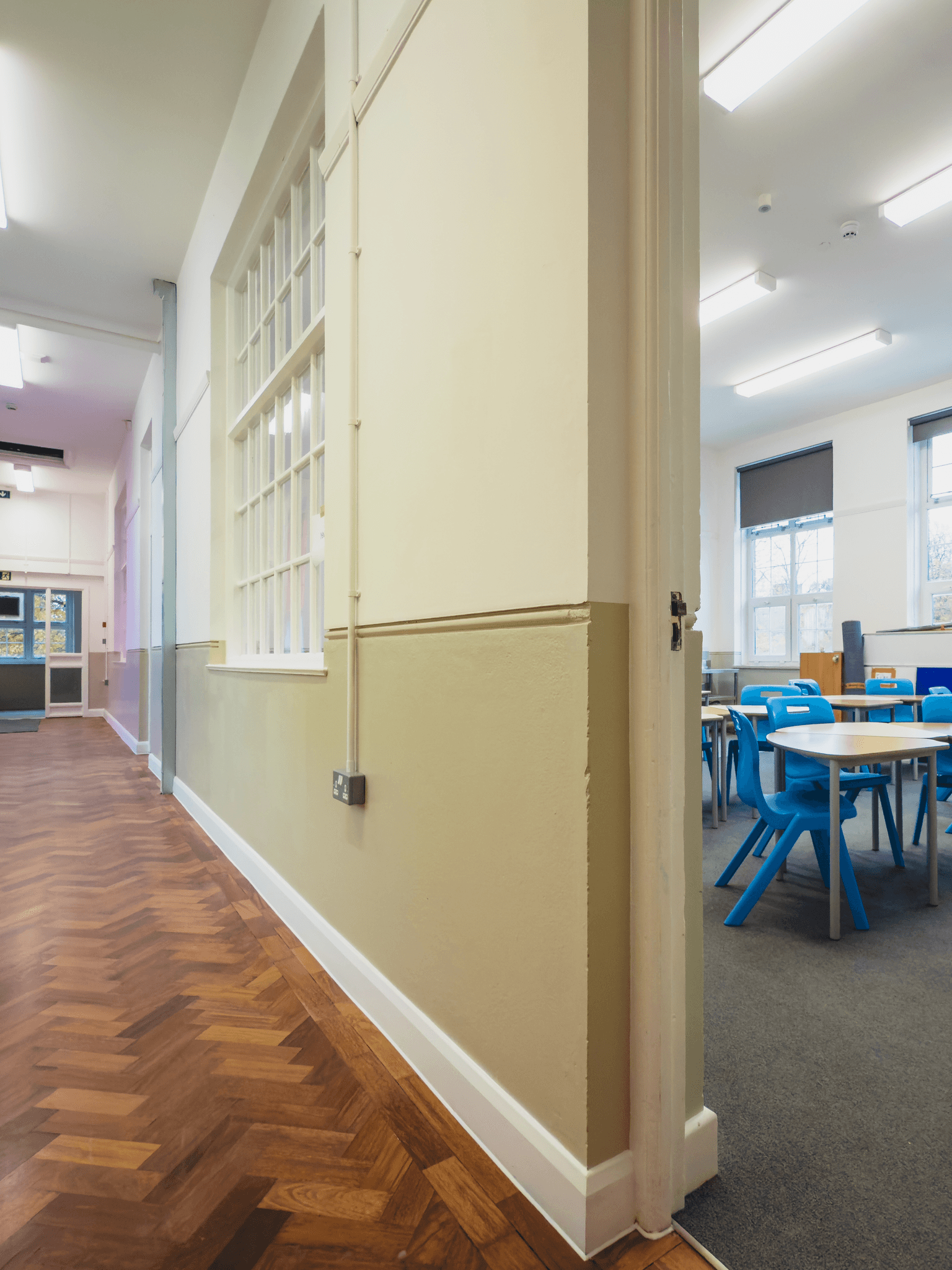
Services upgrades were integrated to support the refurbished layouts, with allowance made for mechanical works to drainage and domestic services within the working areas, and electrical works to suit the revised building arrangement. The programme and sequencing also accounted for long-lead elements such as windows/doors, cubicles/sanitaryware, and flooring, helping maintain progress and reduce downstream constraints as areas were closed out.
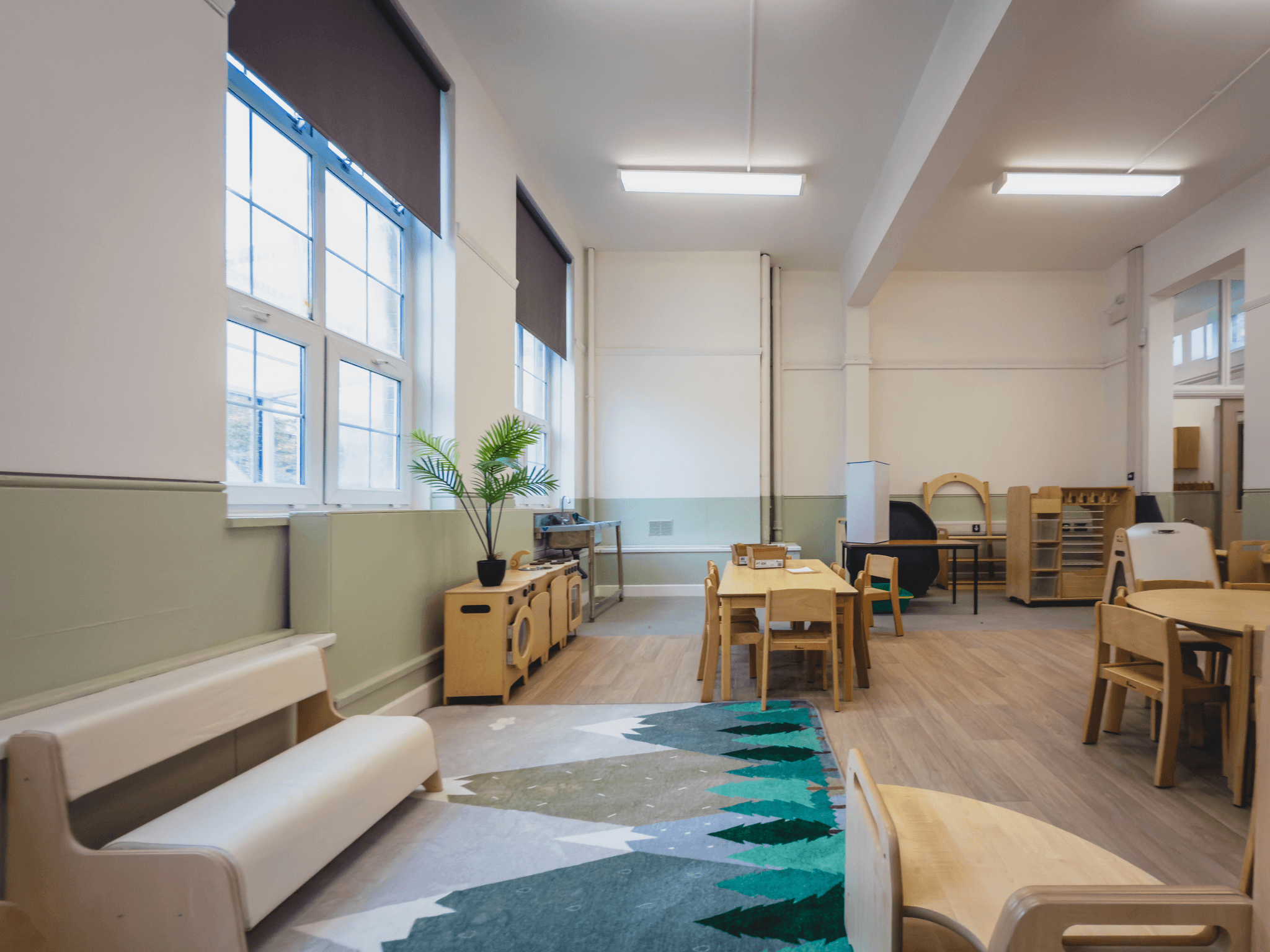
Delivery planning prioritised safeguarding, segregation, and communication in a live school context. The pre-construction information set clear expectations around site security, traffic management, access control, and restrictions on vehicle movements during peak school drop-off and pick-up periods, all of which were incorporated into the delivery approach. Works were planned in a phased sequence across floors and key workstreams—strip-out, making good, decoration, M&E and finishes—supporting controlled handovers and safe occupation interfaces throughout.